
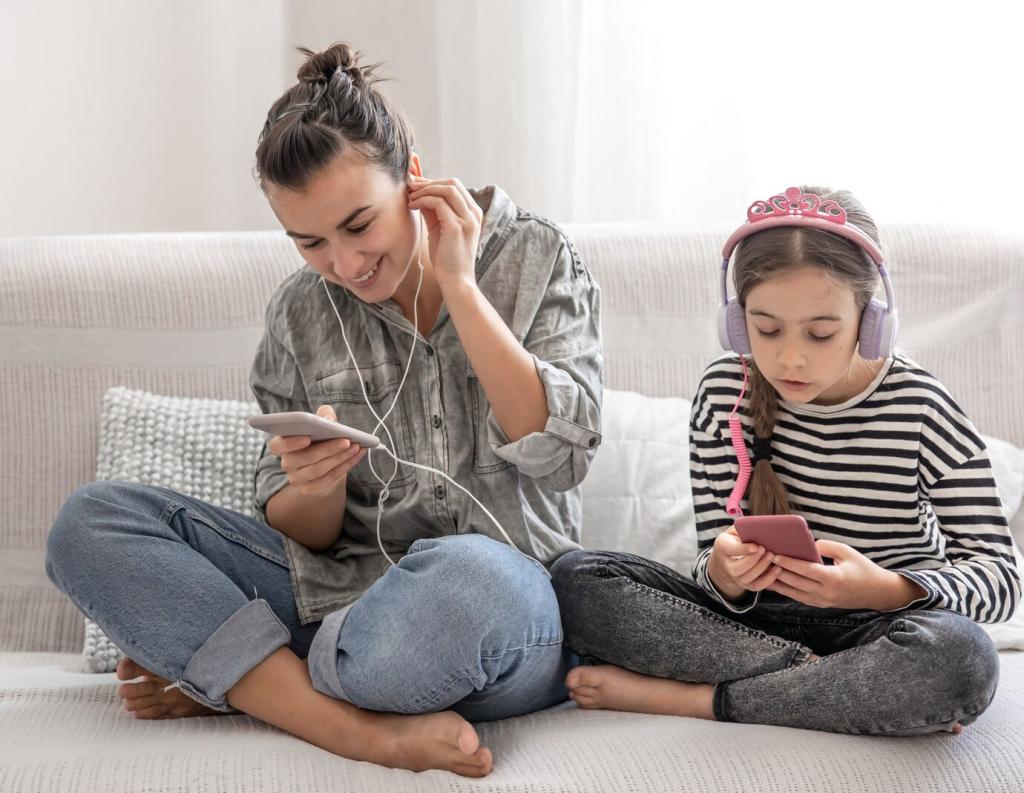

Theme selected: Guiding Teens Through Digital Literacy. Welcome to a supportive space where families, educators, and teens build practical skills, confidence, and empathy for navigating our connected world. Explore stories, strategies, and small weekly challenges, and subscribe to keep learning together.

Foundations of Digital Literacy for Teens

Great searches start with planning. Teach teens to test synonyms, use quotes for exact phrases, and add minus signs to exclude noise. Try site:edu for scholarly sources and filetype:pdf for reports. Keep a search journal for two weeks, then compare which operators consistently save time.

Foundations of Digital Literacy for Teens

Instead of staying on one page, open three new tabs to check who wrote it, who funds it, and how experts view the claim. Look for an About page, independent bios, and reputable fact-checkers. One journalism club used this habit and cut misinformation shares by half in a single month.

Safety, Privacy, and Owning Your Data Story

Encourage long, memorable passphrases built from unrelated words, then store them in a password manager. Turn on app-based two-factor authentication and save backup codes securely. Rotate recovery emails and review trusted devices. A fifteen-minute setup can prevent hours of chaos after a single compromised login.

Safety, Privacy, and Owning Your Data Story

Walk through audience controls on major platforms together. Disable location tagging by default, review contact syncing, and restrict who can comment or message. Schedule a quarterly privacy clean-up, removing old apps and permissions. Tell us which setting surprised your teen most, so others can learn from your experience.

Safety, Privacy, and Owning Your Data Story

Colleges and employers often see your public presence before meeting you. Encourage a curated portfolio: projects, teamwork highlights, and respectful contributions. Set a Google Alert for your name, and search images occasionally. Share one positive footprint goal in the comments to keep yourself accountable this month.


Crafting a Family Tech Agreement That Sticks

Co-create rules with your teen, not for them. Clarify study mode expectations, a shared charging station, and wind-down times. Agree on what happens after slip-ups and celebrate wins. Revisit monthly as schedules change. Post your favorite clause below to help other families refine their agreements thoughtfully.

Noticing the Doomscroll: Signals and Interrupts

Teach cues that signal overload: tight shoulders, fast scrolling, or irritated replies. Use quick interrupts like a twenty-second breathing pause, grayscale mode, or a five-post timer. Pair teens as wellness buddies to check in. Comment with your best personal interrupt so others can try it this week.

Digital Citizenship and Kindness Online

01

From Bystander to Upstander

Coach teens to document harmful posts, report using platform tools, and check on the targeted person privately. Encourage safe boundaries, including blocking and muting when needed. Practice short, firm phrases that redirect conversations. Try a role-play tonight and post the best phrase your teen created for future use.
02

Commenting with Care: The Five-Minute Rule

Before posting, wait five minutes. Read aloud to hear tone, then ask: What is my purpose? Will this help? Could it hurt? Consider adding a source or question instead of a hot take. Invite your teen to share one comment that improved a thread, and celebrate thoughtful dialogue.
03

Repair After Harm: Apologies That Matter

When mistakes happen, model repair. Acknowledge harm without excuses, remove the content, and ask how to make amends. Share learning publicly if appropriate, then follow through. Adults who own errors teach teens courage. Tell us a repair step you would include in a class digital citizenship pledge.

Creating, Crediting, and Copyright

Teach license basics: BY requires attribution, NC restricts commercial use, SA keeps derivatives under the same terms, and ND disallows changes. Show how to filter searches for usable media. Practice captions with full credits, links, and licenses so teens internalize habits before big publishing moments.

Creating, Crediting, and Copyright

Start with audience, purpose, and scope. Storyboard scenes, gather sources, and keep a credit log. Add alt text for accessibility and ensure consent for any identifiable people. Publish, then reflect: What worked? What would you revise? Share a link to your teen’s project for community cheer and feedback.

Research Integrity in the Age of AI

Paraphrasing shows understanding by rethinking structure and words, while patchwriting swaps a few terms and risks plagiarism. Try reverse outlining, explain sources aloud, then draft from memory. When uncertain, quote and cite. Ask your teen to share one sentence transformed the right way in the comments.
Microgreensofsanantonio
Privacy Overview

This website uses cookies so that we can provide you with the best user experience possible. Cookie information is stored in your browser and performs functions such as recognising you when you return to our website and helping our team to understand which sections of the website you find most interesting and useful.